Today, Lisbon is known for its stunning squares, fashionable streets, and lively riverside areas. Yet, behind its charm lies the history of one of Europe’s deadliest natural disasters. On November 1st, 1755, Lisbon was celebrating All Saints’ Day, with churches full of worshippers during a period of prosperity and expanding influence within the Portuguese Empire.
Within minutes, everything would change.
A catastrophe that shook the world
At approximately 9:30 a.m., a massive earthquake struck Lisbon. The first violent tremor lasted little more than a minute, but it was only the beginning. Additional shocks followed, causing buildings, churches, convents, hospitals, and homes to collapse throughout the city. As terrified residents fled toward the open spaces near the Tagus River, a new disaster emerged. The river suddenly withdrew before returning as a powerful tsunami that swept through the waterfront, devastating areas such as Terreiro do Paço and claiming countless lives.
Then came the fires.
Candles lit for religious ceremonies ignited buildings throughout the city. The flames quickly spread and burned for several days, destroying much that had survived the earthquake and tsunami. The precise death toll is uncertain, with estimates ranging from tens of thousands to over 50,000 lives lost.
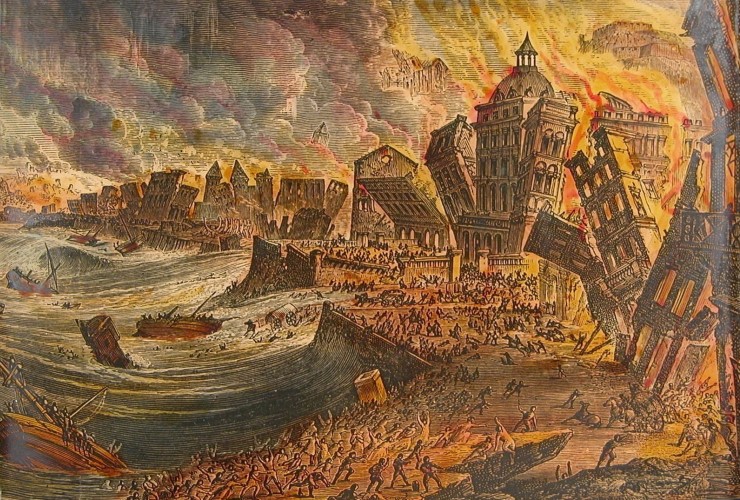
The dazzling capital of a modern Europe and world empire was shattered. Convents, churches, hospitals, palaces, and thousands of houses were destroyed. The Royal House, Opera, House of India, and the Royal Library, with 70,000 books, were ruined beyond repair.
The destruction of a global capital
In the mid-18th century, Lisbon was among Europe’s wealthiest and most influential cities. The disaster resulted in the loss of invaluable cultural treasures, such as royal palaces, churches, archives, hospitals, and the Royal Library, which housed tens of thousands of volumes. The economic and political repercussions reached well beyond Portugal.
News of the disaster quickly circulated across Europe, startling intellectuals, philosophers, and political leaders. The incident ignited discussions about religion, science, and natural forces, becoming a key moment of the Enlightenment.
The Marquis of Pombal and the rebirth of Lisbon
Although the earthquake devastated much of the city, it also opened up a chance for transformation. Sebastião José de Carvalho e Melo, more widely known as the Marquis of Pombal, was mainly responsible for rebuilding Lisbon. His approach became famous.
When asked about the next steps after the disaster, he allegedly responded: “Bury the dead and feed the living.” Under his guidance, Lisbon was reconstructed with a daring vision. Medieval streets were replaced by broad avenues, organized squares, and groundbreaking urban planning. Engineers pioneered some of the earliest earthquake-resistant construction methods, establishing the groundwork for contemporary seismic engineering.
The result was the elegant downtown district known today as Baixa Pombalina.
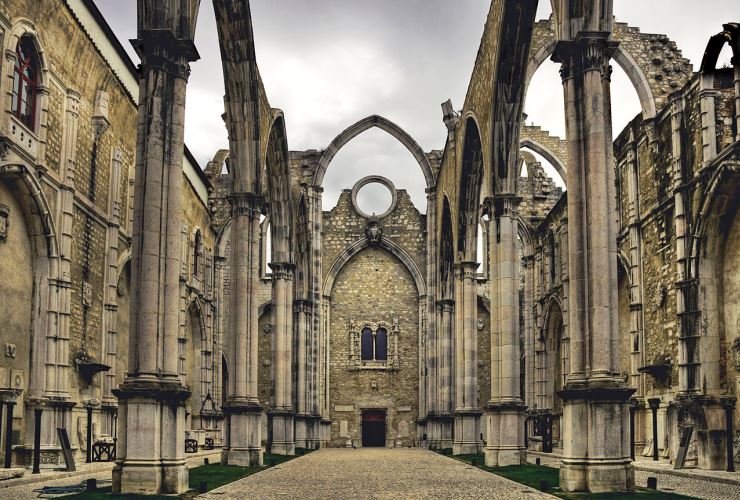
This disaster affected other countries and regions in Portugal, less severely. It shocked Europe and is one of the deadliest earthquakes in history. It also marked the start of seismology and prompted preparedness.
Walking through history in modern Lisbon
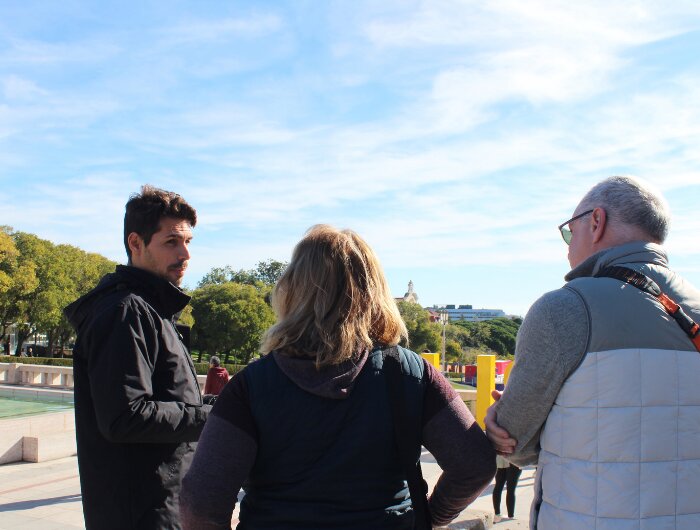
One of the most captivating aspects of the 1755 earthquake is that its legacy remains vividly felt throughout Lisbon. Visitors can stroll through Praça do Comércio, once at the heart of the tsunami’s devastation. They can wander the orderly streets of Baixa, appreciate the city’s rebuilding efforts, and explore museums, monuments, and viewpoints that showcase how profoundly Lisbon has been reshaped.
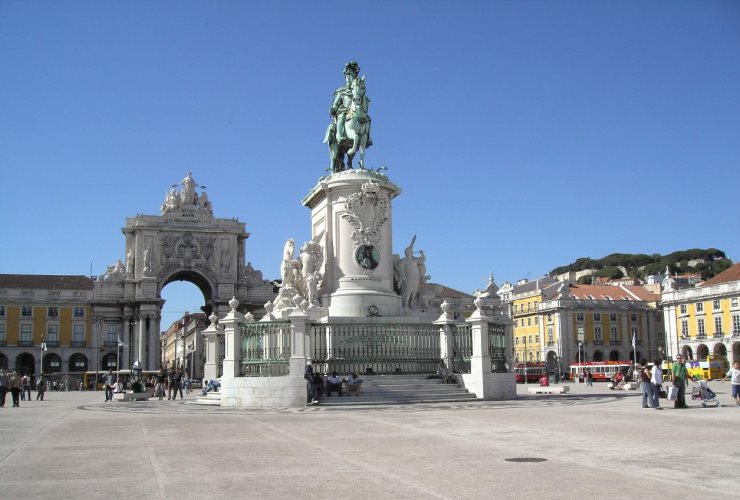
Lisbon’s 1755 earthquake symbolized destruction and rebirth. It rose from the ashes as a modern city. The Marquis of Pombal created spacious, geometric streets, a new design in medieval Lisbon.
Experience Lisbon beyond the guidebooks
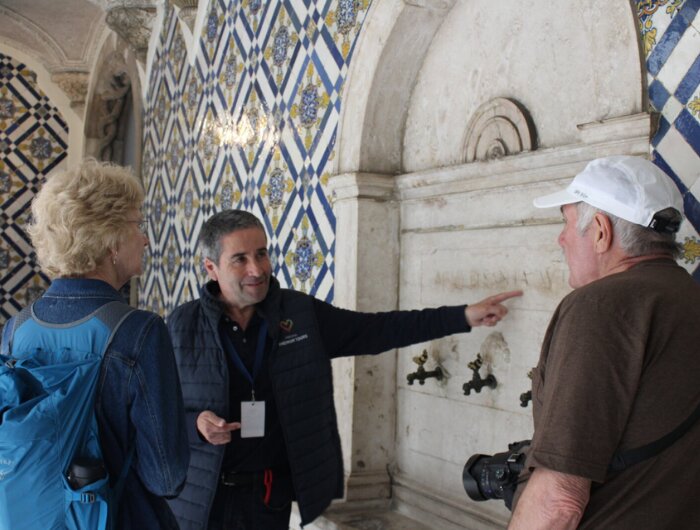
The 1755 Lisbon earthquake is more than just a historical incident; it is a pivotal event that shaped the city’s visitors’ experience today. At Portugal Premium Tours, we believe that understanding these stories enriches travel experiences, making them more profound and personalized. Our private tours enable you to explore the landmarks, people, and events that transformed Lisbon into one of Europe’s most intriguing capitals. Whether you’re interested in history, architecture, or culture, we can tailor your tour to help you see Lisbon from the perspective of those who know it best.