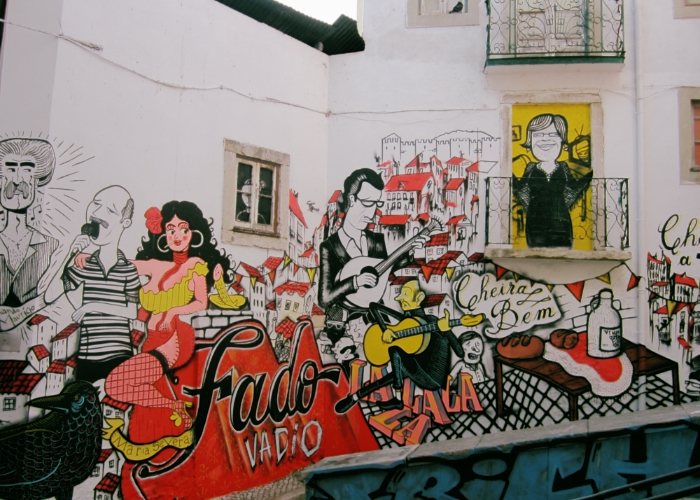
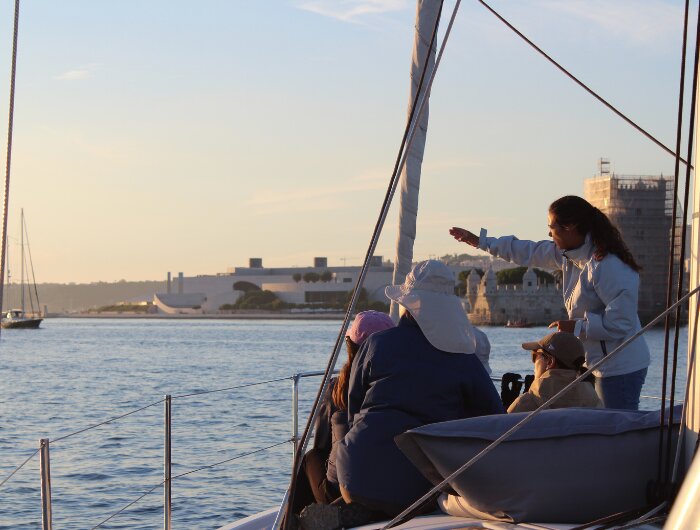
In a Portuguese house, there is always bread and wine on the table, and also the tradition of Fado.
Fado is a musical genre with its origins in the former Portuguese colonies, as a kind of fanfare. On their return to Portugal, they settled in Alfama – a typical Portuguese district, considered today the birthplace of Fado.
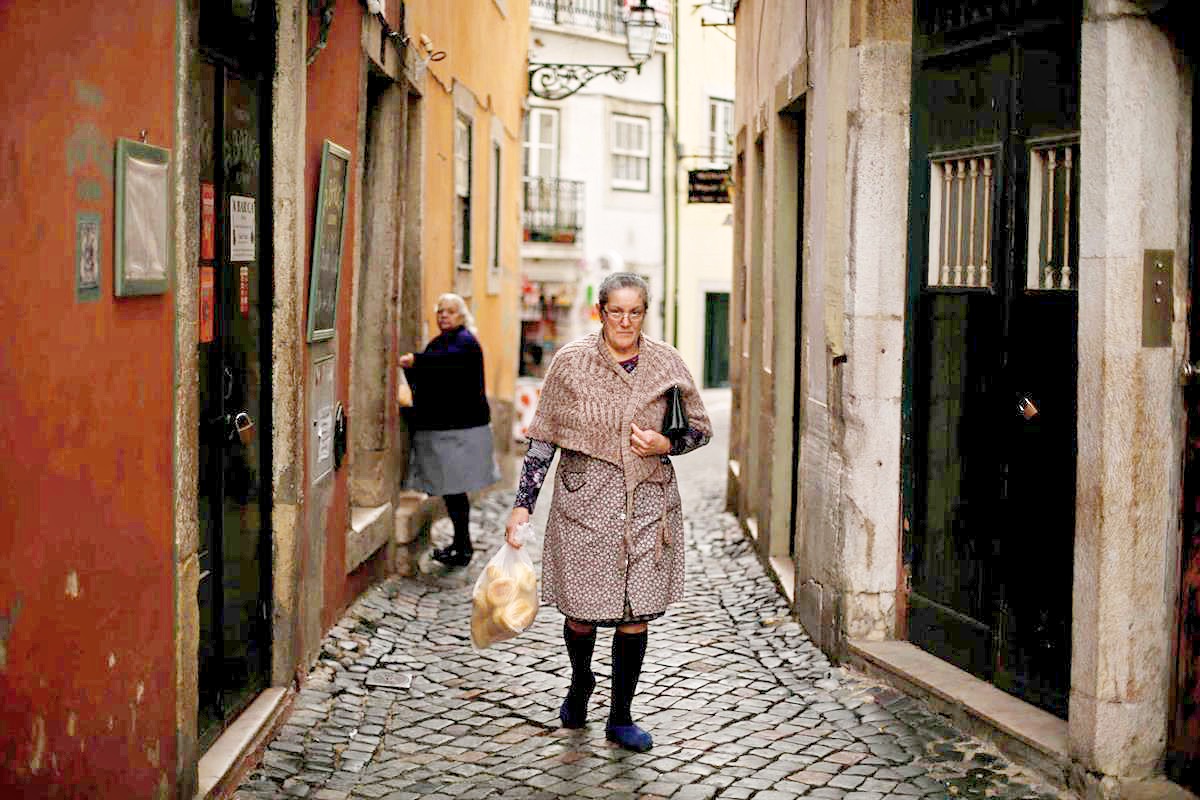
Foto: REUTERS/Rafael Marchante
Where Fado began
The origins of Fado remain surrounded by mystery. Many historians believe its roots emerged during the 19th century, influenced by musical traditions brought from Portuguese maritime routes and former colonies. Over time, these influences blended with the realities of Lisbon’s working-class neighborhoods, particularly Alfama, Mouraria, and Bairro Alto.
In its earliest days, Fado was not performed in concert halls or prestigious theatres. It was sung in taverns, small gatherings, and humble streets where sailors, workers, merchants, and travelers shared stories of life, hardship, and hope. From these simple beginnings, a cultural phenomenon was born.
The Meaning Behind Fado
The word “Fado” comes from the Latin word fatum, meaning fate or destiny.
Its themes reflect some of the deepest human emotions:
- Love and heartbreak
- Longing and nostalgia
- Hope and disappointment
- Separation and reunion
- Everyday life in Portugal
What makes Fado unique is its emotional intensity. The voice often carries melancholy and reflection, while the Portuguese guitar creates a rich and expressive sound that transforms each performance into a deeply personal experience.
Even for those who do not understand the language, Fado has the remarkable ability to communicate emotion beyond words.
A Living UNESCO Heritage
In 2011, Fado was officially recognized by UNESCO as an Intangible Cultural Heritage of Humanity.
The distinction acknowledged Fado not only as a musical genre but also as an important cultural expression that reflects the identity, history, and traditions of Portugal.
Today, visitors can experience Fado in traditional houses throughout Lisbon, where performances often take place in intimate settings that preserve the authenticity of this centuries-old tradition.
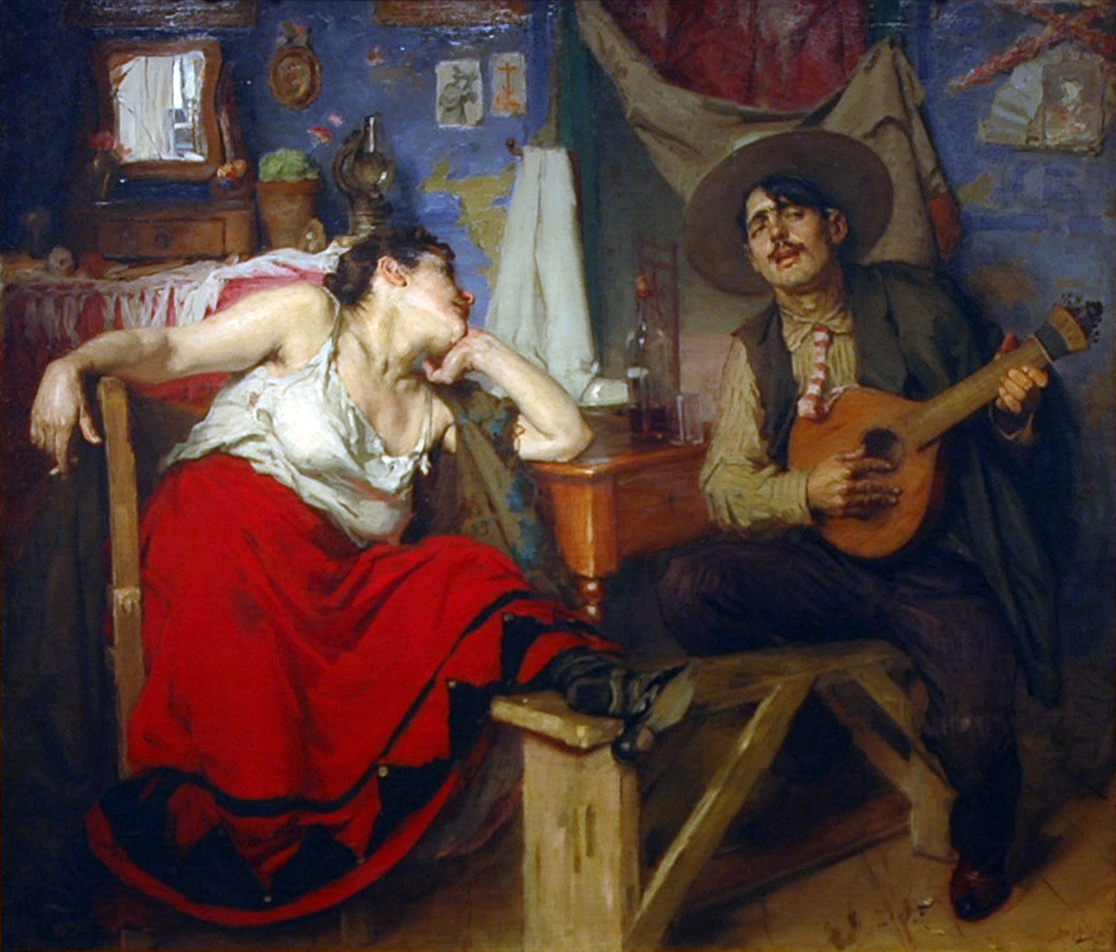
Painting ‘O Fado’ by the Portuguese artist José Malhoa, dated 1910. Currently on display at the Museu do Fado.
The Legends Who Shaped Fado
No story about Fado would be complete without its iconic voices.
Maria Severa
Often regarded as the first great Fado singer, Maria Severa became a legendary figure in Portuguese culture.
Her life inspired countless stories, paintings, songs, and theatrical productions. Although much of her history is wrapped in legend, her influence on the development of Fado remains undeniable.
Amália Rodrigues
If one name defines Portuguese Fado around the world, it is Amália Rodrigues. Known as the “Queen of Fado,” Amália transformed the genre during the 20th century. She expanded her repertoire, collaborated with poets, introduced new compositions, and brought Portuguese music to international audiences. Her voice became synonymous with Portugal itself. Even today, her influence continues to inspire new generations of artists.

Famous singer Amália Rodrigues
Fado Today
In the 1990s, fado began to gain notoriety and new features, with the appearance of new, very talented artists, and at the beginning of the 21st century, contemporary singers such as António Zambujo, Raquel Tavares, Kátia Guerreiro, Ana Moura, Carminho, Gisela João or Ricardo Ribeiro, managed to take fado to the younger generations, keeping it alive and strong in our culture.
Internationally, this musical genre continues to gain importance and fans all over the world. Mariza is currently the voice of reference, winning several awards and distinctions.
Get to know one of her greatest hits and let yourself be carried away by one of Fado’s most recognized voices:
Portugal Premium tours have the Best Fado Walking Tour in Lisbon! An unmissable tour, if you are looking for real-life experiences and want to immerse yourself in Portuguese culture in a fun, relaxed and authentic atmosphere.
For more information send us an e-mail we have many options and amazing experiences in Portugal for you!
Portugal Premium Tours team